Ceiling Removal Service in Houston, TX
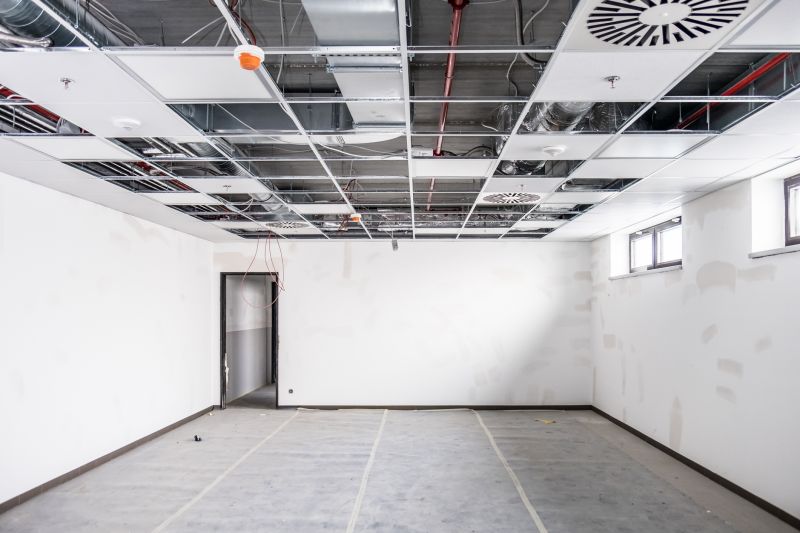
Ceiling removal services involve the careful demolition and removal of existing ceilings, typically to prepare for renovations, upgrades, or to address structural issues. This service covers a variety of projects, including removing popcorn ceilings, acoustic tiles, drywall ceilings, or damaged sections to create a clean slate for new finishes. Homeowners often seek ceiling removal when updating interior designs, addressing water damage, or installing new lighting and fixtures that require a different ceiling structure.
Before requesting ceiling removal, property owners usually want to understand the scope of the project, including potential dust and debris, the condition of the underlying structure, and any necessary repairs afterward. It’s important to consider whether existing ceilings contain materials like asbestos or lead paint, which may require special handling. Clarifying these details can help ensure the project proceeds smoothly and aligns with the overall renovation plans.
Many property owners in Houston, TX look into Ceiling Removal Service for repairs, replacements, upgrades, and appearance-related improvements.

Ceiling Removal Options
Different ceiling types and materials can be safely removed to update or renovate your space.
Common Reasons For Removal
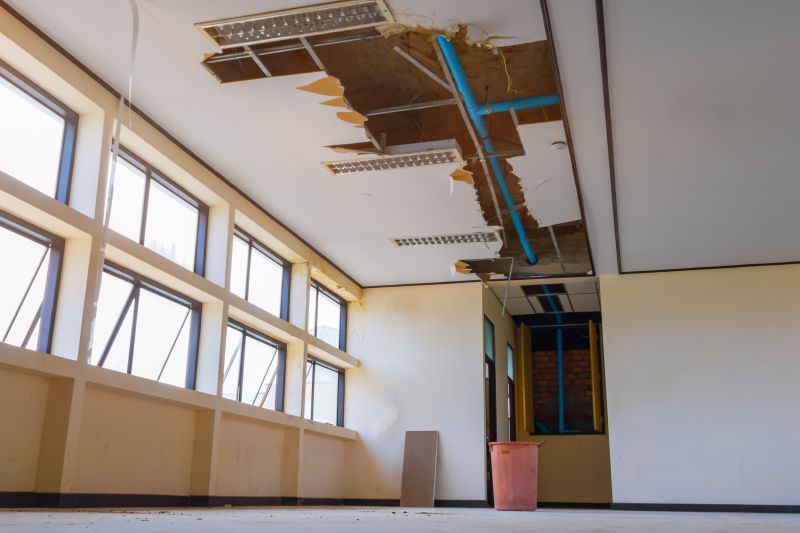
Ceiling removal is often needed for remodeling, repairing water damage, or updating outdated designs.

Preparation And Safety
Proper preparation ensures safe removal and minimizes dust and debris in living or working areas in houston.
Ceiling Removal Service in Houston, TX

Ceiling removal services involve the careful demolition and removal of existing ceilings, typically to prepare for renovations, upgrades, or to address structural issues. This service covers a variety of projects, including removing popcorn ceilings, acoustic tiles, drywall ceilings, or damaged sections to create a clean slate for new finishes. Homeowners often seek ceiling removal when updating interior designs, addressing water damage, or installing new lighting and fixtures that require a different ceiling structure.
Before requesting ceiling removal, property owners usually want to understand the scope of the project, including potential dust and debris, the condition of the underlying structure, and any necessary repairs afterward. It’s important to consider whether existing ceilings contain materials like asbestos or lead paint, which may require special handling. Clarifying these details can help ensure the project proceeds smoothly and aligns with the overall renovation plans.
Many property owners in Houston, TX look into Ceiling Removal Service for repairs, replacements, upgrades, and appearance-related improvements.
Common Ceiling Removal Service Jobs
Ceiling removal for remodeling - prepares spaces for new design or layout changes.
Old ceiling removal - safely eliminates outdated or damaged ceiling materials.
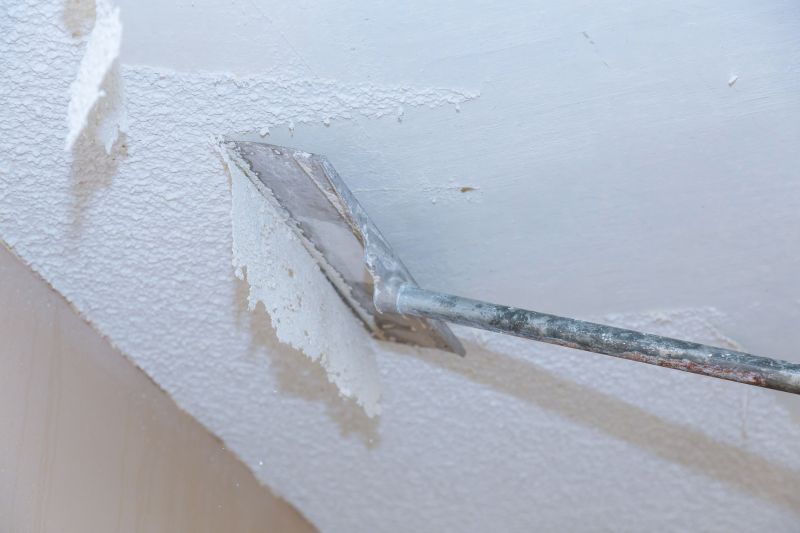
Popcorn ceiling removal - updates ceilings with textured finishes to a smoother look.
Asbestos ceiling removal - handles hazardous materials with proper safety precautions.
Suspended ceiling removal - clears space for new drop ceiling installations or upgrades.
Ceiling demolition for renovations - provides a clean slate for structural or aesthetic improvements.


Ceiling Removal Service Questions
What types of ceilings can be removed? Ceiling removal services typically handle drywall, plaster, popcorn, and suspended ceilings to prepare spaces for renovation or upgrades.
Why remove a ceiling? Ceilings may be removed to access hidden wiring, update design, eliminate damaged materials, or prepare for new ceiling installations.
Is ceiling removal messy? Some dust and debris are common, but proper containment and cleanup help minimize disruption during the removal process.
What should property owners consider before removal? It’s important to assess underlying structures, potential hazards like asbestos, and the impact on room aesthetics before proceeding.
Request Ceiling Removal Service in Houston, TX
Use the quote form on this page to share the basics of your project and request more information for the type of work you need.